
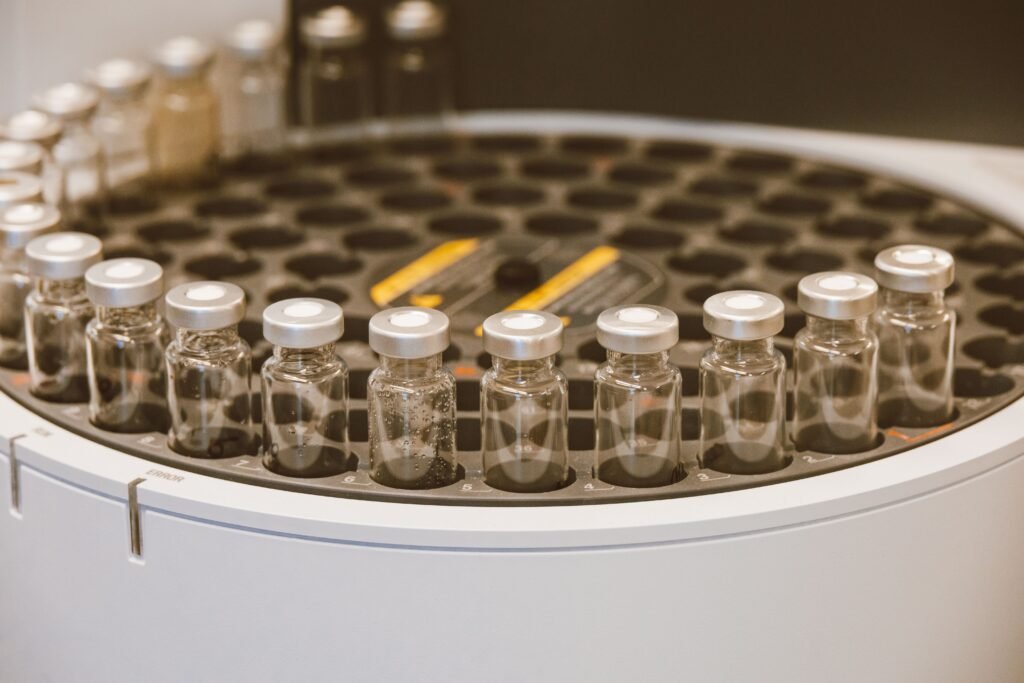
The research peptide industry has grown rapidly over the past decade, with scientists, universities, and laboratories across the United States relying on high-quality peptides for legitimate research purposes. As demand has increased, so has the number of companies claiming to offer the “best” or “purest” products. This makes it essential for buyers to understand what separates a reputable research peptide supplier from a subpar one.
This guide breaks down everything you need to know before choosing a supplier, including quality standards, red flags to avoid, and the key factors that define trustworthy vendors in the USA.
What Are Research Peptides?
Research peptides are short chains of amino acids used exclusively in laboratory and scientific research settings. They are studied for their potential roles in areas such as cellular signaling, metabolic pathways, tissue research, and molecular biology.
It’s important to note that these products are sold strictly for research use only (RUO) and are not approved for human consumption, medical treatment, or personal use. Any reputable supplier will clearly state this on their website and packaging, in compliance with FDA regulations.
Why Choosing the Right Supplier Matters
Not all peptide suppliers are created equal. The quality, purity, and handling of research peptides can vary dramatically between companies, which directly impacts the reliability of any research conducted with them.
Working with a subpar supplier can lead to:
- Inaccurate or inconsistent research results
- Contaminated or degraded compounds
- Mislabeled concentrations or peptide sequences
- Wasted time and research budget
Because peptides are sensitive compounds that require careful synthesis, storage, and shipping, sourcing from a trusted lab is non-negotiable for serious researchers.
Key Criteria for Evaluating Peptide Suppliers
Third-Party Lab Testing
The single most important factor in evaluating a supplier is independent third-party testing. Reputable companies send their products to accredited laboratories to verify purity levels, molecular weight, and sequence accuracy. Look for suppliers who publish Certificates of Analysis (COAs) for every batch, not just generic or outdated documents.
A trustworthy COA should include:
- HPLC (High-Performance Liquid Chromatography) results
- Mass spectrometry data
- Batch or lot numbers matching the product you receive
- Purity percentage (typically 98% or higher for quality peptides)
Manufacturing Standards
Top-tier suppliers typically operate in facilities that follow Good Manufacturing Practice (GMP) guidelines, even though peptides themselves aren’t FDA-approved for consumption. GMP-aligned processes reduce contamination risk and ensure consistency across batches.
Product Transparency
A reliable supplier will be upfront about:
- The exact peptide sequence
- Molecular formula and weight
- Storage and handling recommendations
- Country of manufacture
Vague product descriptions or missing technical data are a warning sign that a company may be cutting corners.
Reputation and Reviews
Established suppliers typically have a long track record, active customer support, and visible feedback from the research community. Look for companies that have been operating for several years, as longevity often correlates with consistent quality and regulatory awareness.
Search for independent reviews on forums, research communities, and third-party review platforms rather than relying solely on testimonials posted on the company’s own website.
Shipping and Storage Practices
Because peptides are temperature-sensitive, proper cold-chain shipping is critical. Reputable suppliers use insulated packaging, ice packs, or dry ice depending on the product, and they clearly communicate storage instructions (usually refrigeration or freezing upon arrival).
Fast, discreet, and trackable shipping within the USA is also a hallmark of professional suppliers.
Customer Service and Support
Legitimate research suppliers typically offer:
- Responsive customer service via email or chat
- Technical support for researchers with product questions
- Clear return, refund, and reshipment policies
- Bulk ordering options for laboratories and institutions
Red Flags to Watch For
When researching potential suppliers, be cautious of the following warning signs:
No COA or lab testing data – If a company can’t provide verifiable purity documentation, avoid them.
Unrealistically low prices – Extremely cheap peptides often indicate poor synthesis quality or diluted products.
Marketing language aimed at personal use – Reputable suppliers avoid language suggesting dosing for humans, weight loss, or muscle building, since this violates RUO compliance standards.
No physical business information – Legitimate companies list a U.S.-based address, contact information, and clear terms of service.
Poor website security – Missing SSL certificates or unprofessional website design can indicate a lack of investment in legitimate business operations.
How to Verify a Supplier’s Legitimacy
Before placing an order, take these steps to confirm a supplier’s credibility:
- Request a current COA for the specific batch you intend to purchase.
- Cross-check the testing lab mentioned on the COA to ensure it’s a real, accredited facility.
- Read independent reviews from research forums or third-party sites.
- Contact customer support with technical questions to gauge their knowledge and responsiveness.
- Check business registration through the USA state where the company claims to operate.
Taking these extra steps can save researchers significant time, money, and frustration in the long run.
Pricing: What to Expect
Pricing for research peptides varies based on purity, sequence complexity, and order volume. While cost shouldn’t be the only deciding factor, understanding typical price ranges helps identify suppliers that may be misrepresenting product quality.
Generally, higher purity peptides (98%+) with verified third-party testing will cost more than unverified alternatives. Bulk pricing is often available for laboratories and research institutions ordering larger quantities.
Always compare pricing alongside COA availability, shipping practices, and customer reviews rather than choosing based on price alone.
The Importance of Compliance
Reputable USA-based peptide suppliers operate transparently within legal boundaries. This means:
- Clearly labeling products as “Not for Human Consumption”
- Selling exclusively to researchers, laboratories, and qualified institutions
- Avoiding medical claims or dosage suggestions
- Complying with FDA and DEA regulations where applicable
Buyers should also be aware of their own state and institutional regulations regarding peptide research, as compliance requirements can vary.
Final Tips for Researchers
When narrowing down your list of potential suppliers, prioritize companies that demonstrate:
- Consistent, verifiable third-party testing
- Transparent sourcing and manufacturing information
- Strong reputations within the research community
- Professional customer service and compliance practices
- Secure, temperature-controlled shipping across the USA
Taking the time to vet suppliers thoroughly will pay off in the accuracy and reliability of your research outcomes.
Conclusion
Finding a trustworthy research peptide supplier in the USA requires more than a quick Google search. It involves evaluating lab testing practices, manufacturing transparency, shipping standards, and overall industry reputation. By focusing on verified purity data, compliance with research-use-only regulations, and consistent customer feedback, researchers can confidently select suppliers that support accurate, reliable scientific work.
As the peptide research industry continues to expand, staying informed and cautious will help you avoid low-quality products and partner with companies that genuinely prioritize scientific integrity. Always do your due diligence, request documentation, and choose suppliers who value transparency as much as you value your research results.
FAQs
What are research peptides?
Research peptides are short chains of amino acids used in laboratory and scientific research. They may be studied in areas such as cellular signaling, metabolic pathways, tissue research, and molecular biology. Research peptides are intended for research use only and are not approved for human consumption or medical treatment.
How do I choose a research peptide supplier in the USA?
When choosing a research peptide supplier in the USA, evaluate third-party testing, current Certificates of Analysis (COAs), product transparency, manufacturing practices, shipping and storage procedures, customer support, business information, and independent reviews.
What should a peptide Certificate of Analysis include?
A peptide Certificate of Analysis should provide relevant testing information such as HPLC results, mass spectrometry data, purity information, and a batch or lot number that corresponds to the product being supplied.
Why is third-party testing important for research peptides?
Third-party testing provides independent verification of a research peptide’s identity and purity. Researchers can use testing documentation to assess whether a supplier provides consistent and verifiable product information.
What purity should I look for in research peptides?
The appropriate purity level depends on the requirements of the research project. Many suppliers market research peptides at 98% or higher purity, but researchers should review the actual batch-specific testing data and determine whether the specifications meet their experimental requirements.
What are red flags when choosing a research peptide supplier?
Common warning signs include missing or unverifiable COAs, unclear product specifications, unusually low prices, marketing aimed at human use, limited business information, unclear policies, and inadequate information about shipping or storage.
How should research peptides be shipped and stored?
Research peptides should be handled and stored according to the supplier’s product-specific instructions. Depending on the compound, appropriate temperature-controlled packaging and storage may be required. Researchers should review storage requirements before ordering.
Are research peptides approved for human consumption?
Research-use-only peptides are not intended or approved for human consumption or medical treatment. Suppliers selling research peptides should clearly identify their products as being for laboratory research use only.
How can I verify whether a research peptide supplier is legitimate?
Researchers can request a current batch-specific COA, verify the testing laboratory and documentation, review independent feedback, contact customer support with technical questions, and check the company’s business information and applicable registration records.
Does a higher price mean a research peptide is better quality?
Price alone does not establish research peptide quality. Researchers should compare pricing alongside batch-specific testing, purity data, product specifications, manufacturing information, shipping practices, and supplier transparency.