
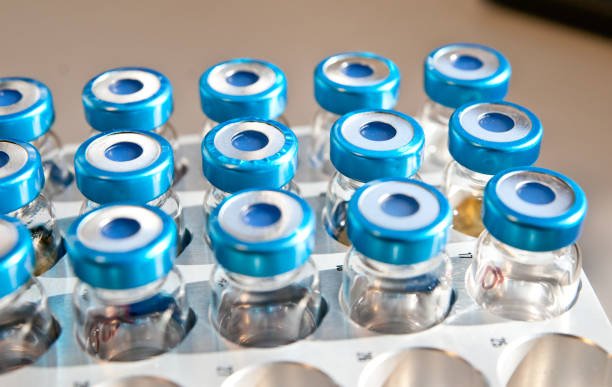
The research peptide market has grown rapidly over the past decade, driven by increasing interest in peptide-based studies across biochemistry, pharmacology, and molecular biology. With that growth, however, has come a flood of supplierssome legitimate, many not. For researchers and institutions relying on peptides for laboratory work, product purity, accurate labeling, and consistent quality are non-negotiable.
Choosing the wrong supplier can compromise experimental results, waste valuable time, and even introduce safety risks. This guide breaks down exactly what to look for when selecting a reliable research peptide supplier, so you can make informed, confident purchasing decisions.
Why Supplier Selection Matters
Research peptides are not regulated the same way as pharmaceutical-grade compounds. This means the burden of verifying quality falls largely on the buyer. A supplier with poor manufacturing practices or lax quality control can deliver products that are:
- Mislabeled or inaccurately dosed
- Contaminated with bacteria, heavy metals, or solvents
- Degraded due to improper synthesis or storage
- Diluted with fillers to cut production costs
Any of these issues can invalidate research results or, worse, pose health risks if peptides are mishandled. That’s why due diligence before purchasing is essential.
Key Factors to Evaluate in a Peptide Supplier
1. Third-Party Lab Testing
The single most important indicator of a trustworthy supplier is independent third-party testing. Reputable suppliers provide a Certificate of Analysis (COA) for every batch, generated by an accredited laboratory not affiliated with the manufacturer.
A legitimate COA should include:
- Purity percentage (typically verified via HPLC – High-Performance Liquid Chromatography)
- Mass spectrometry (MS) results confirming the peptide’s molecular identity
- Batch or lot number matching the product you receive
- Testing date and the name of the testing laboratory
Be wary of suppliers who only provide in-house testing results or vague “purity guarantees” without documentation. If a COA is unavailable or the lab can’t be verified, treat that as a major red flag.
2. Manufacturing Standards and Transparency
Reliable suppliers are typically transparent about their manufacturing processes. Look for information about:
- Whether peptides are synthesized in-house or sourced from a contracted manufacturer
- Compliance with Good Manufacturing Practices (GMP) or similar quality frameworks
- Cleanroom or controlled synthesis environments to minimize contamination
Suppliers that openly share this informationrather than hiding behind generic marketing languagetend to have more rigorous internal standards.
3. Product Labeling Accuracy
Accurate labeling is a simple but telling detail. Reliable suppliers clearly state:
- The exact peptide sequence or name
- Net weight per vial (in milligrams or micrograms)
- Storage requirements (e.g., lyophilized, refrigerated, frozen)
- Lot number for traceability
If product descriptions are vague, inconsistent between the website and physical label, or missing critical details, it’s a sign the company may not prioritize quality control.
4. Reputation and Independent Reviews
While marketing claims can be manipulated, independent reviews and community feedback are harder to fake at scale. When researching a supplier, check:
- Long-standing forums and research communities where peptide users discuss experiences
- Third-party review sites (not just testimonials on the supplier’s own website)
- Any history of complaints related to mislabeling, contamination, or non-delivery
A supplier with years of consistent positive feedback across multiple independent platforms is generally more trustworthy than one with only recent, unverifiable praise.
5. Customer Service and Responsiveness
A supplier’s willingness to answer detailed technical questions says a lot about their legitimacy. Reliable companies typically:
- Respond promptly to inquiries about COAs, synthesis methods, or storage conditions
- Have knowledgeable staff who understand the chemistry behind their products
- Provide clear policies on shipping, returns, and damaged goods
If a company is evasive when asked for testing documentation or technical specifications, consider it a warning sign.
6. Packaging and Shipping Practices
Peptides are sensitive compounds that can degrade if not handled properly. A reliable supplier will:
- Ship products in appropriately insulated packaging, especially in warmer climates
- Use desiccants or cold packs when necessary to preserve peptide integrity
- Provide clear instructions for storage upon arrival (e.g., refrigation or freezing requirements)
Poor packaging often correlates with a lack of attention to detail throughout the entire supply chain.
Red Flags to Watch For
While the positive indicators above are important, knowing the warning signs is equally critical. Be cautious of suppliers that display any of these behaviors:
- No COA available, or COAs that appear generic, outdated, or inconsistent across products
- Prices significantly lower than industry averages, which often indicates diluted or low-purity products
- Aggressive marketing language promising outcomes rather than focusing on product specifications
- Lack of a physical business address or verifiable company information
- Inconsistent website information, such as changing claims about testing or sourcing
- No clear return or refund policy in case of damaged or incorrect shipments
Any single red flag might not be disqualifying on its own, but multiple warning signs together should prompt you to look elsewhere.
Questions to Ask Before Purchasing
Before committing to a supplier, especially for the first time, consider reaching out with these questions:
- Can you provide a current, batch-specific COA from an independent lab?
- What synthesis method is used (e.g., solid-phase peptide synthesis)?
- How are peptides stored and shipped to maintain stability?
- What is your policy on damaged, delayed, or incorrect orders?
- Can you verify the testing laboratory’s accreditation?
A supplier’s willingnessand abilityto answer these questions clearly and confidently is often the best real-world test of their reliability.
The Role of Price in Supplier Selection
It’s tempting to choose the cheapest option, especially when comparing multiple suppliers offering seemingly identical products. However, peptide synthesis, purification, and testing are expensive processes. Extremely low prices often mean corners have been cut somewherewhether in purity, testing, or raw material quality.
This doesn’t mean the most expensive supplier is automatically the best either. Instead, focus on value: a fair price paired with verifiable documentation and consistent quality control is far more valuable than the lowest price on the market.
Building a Long-Term Relationship with a Supplier
Once you’ve identified a supplier that meets the criteria above, it’s often beneficial to establish a long-term working relationship rather than switching sources frequently. Benefits include:
- Consistent product quality and batch-to-batch reliability
- Easier troubleshooting if issues arise, since the supplier already knows your order history
- Potential access to bulk pricing or priority customer support
That said, periodic re-verification is still wise. Request updated COAs regularly, even from trusted suppliers, to confirm ongoing quality control.
Conclusion
Selecting a reliable research peptide supplier requires more than a quick search and a low price tag. It demands careful evaluation of third-party lab testing, manufacturing transparency, labeling accuracy, reputation, and customer service. By taking the time to verify these factorsand staying alert to common red flagsresearchers can protect the integrity of their work and avoid the risks associated with low-quality or mislabeled products.
Ultimately, the extra effort spent vetting a supplier upfront pays off in the form of consistent, trustworthy results down the line. In a market with minimal regulatory oversight, due diligence is your best safeguard, and it starts with asking the right questions before you ever place an order.
Frequently Asked Questions
1. How do I choose a reliable research peptide supplier?
Look for suppliers that provide batch-specific third-party Certificates of Analysis (COAs), transparent manufacturing information, accurate product labeling, appropriate storage and shipping practices, and verifiable business information.
2. What should a research peptide COA include?
A reliable COA should identify the peptide, provide the batch or lot number, purity results, molecular identity testing such as mass spectrometry, testing date, and the name of the laboratory that performed the analysis.
3. Why is third-party testing important for research peptides?
Independent testing provides an additional layer of quality verification because the laboratory conducting the analysis is separate from the supplier or manufacturer. It can help verify peptide identity and reported purity.
4. What are the biggest red flags when buying research peptides?
Common warning signs include missing or generic COAs, unverifiable testing laboratories, inconsistent product information, unusually low prices, unclear business details, aggressive outcome-based marketing, and the absence of clear shipping or return policies.
5. How should research peptides be stored and shipped?
Storage requirements depend on the specific peptide. Suppliers should clearly provide appropriate storage instructions and use packaging and shipping conditions designed to maintain product stability, including insulation or temperature-control measures when appropriate.
6. Does a higher price mean a research peptide supplier is better?
Not necessarily. Price alone does not establish product quality. Researchers should compare suppliers based on documentation, testing, manufacturing transparency, labeling, shipping practices, and overall quality-control procedures.
7. What questions should I ask a research peptide supplier before ordering?
Ask whether they can provide a current batch-specific COA, how the peptide is synthesized, how products are stored and shipped, what happens if an order is damaged or incorrect, and whether the testing laboratory’s credentials can be verified.
8. Why is accurate peptide labeling important?
Accurate labeling supports traceability and helps researchers verify the peptide name or sequence, quantity, storage requirements, and batch or lot information associated with a product.
9. Should I regularly re-verify a research peptide supplier?
Yes. Even when working with an established supplier, periodic verification of current COAs, testing practices, manufacturing information, and product documentation can help confirm that quality-control practices remain consistent.
10. What is more important than finding the cheapest research peptide supplier?
Researchers should prioritize verifiable quality and documentation rather than simply choosing the lowest price. A reasonable price combined with independent testing, transparent sourcing, and consistent quality control can provide better value for laboratory research.