
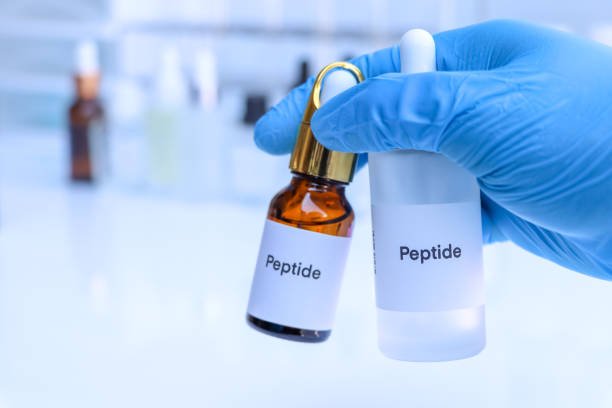
The market for research peptides has expanded rapidly over the past decade, with dozens of suppliers competing for the attention of laboratories, academic institutions, and research organizations. While this growth has increased accessibility, it has also introduced significant variability in product quality, purity, and vendor reliability. For laboratories relying on peptides for legitimate scientific investigation, choosing the wrong supplier can compromise experimental integrity, waste valuable resources, and even introduce safety risks.
This article outlines the key factors laboratories should evaluate when sourcing research peptides, helping procurement teams and principal investigators make informed, defensible purchasing decisions.
Why Peptide Quality Matters in Research Settings
Peptides are inherently sensitive molecules. Their structure, stability, and biological activity can be affected by synthesis errors, poor storage, or contamination during manufacturing. In a research context, even minor impurities can skew results, introduce confounding variables, or make findings impossible to replicate.
Unlike pharmaceutical-grade compounds intended for clinical use, research peptides are sold strictly for laboratory and in-vitro study purposes. This distinction matters legally and scientifically, but it does not lower the bar for quality. If anything, researchers need greater transparency from suppliers precisely because these products are not subject to the same regulatory oversight as approved drugs.
Given this, laboratories should treat supplier selection as a critical part of experimental design, not an afterthought.
Key Criteria for Evaluating Peptide Suppliers
1. Third-Party Purity Testing
Reputable suppliers provide certificates of analysis (COAs) from independent, third-party laboratories for every batch sold. These documents typically include data from:
- High-performance liquid chromatography (HPLC) to verify purity levels
- Mass spectrometry (MS) to confirm molecular identity
- Batch-specific lot numbers that correspond directly to the product received
Laboratories should be cautious of vendors who only provide in-house testing results or generic COAs that aren’t tied to specific batches. Independent verification reduces the risk of misrepresented purity claims and ensures accountability.
2. Transparent Sourcing and Manufacturing Practices
Understanding where and how a peptide is manufactured provides insight into overall quality control. Reliable suppliers are typically willing to share information about:
- Their manufacturing facility’s certifications (such as ISO compliance)
- Synthesis methods used (e.g., solid-phase peptide synthesis)
- Quality assurance protocols throughout production
Suppliers that are evasive about sourcing or manufacturing details should raise red flags. Transparency is often a strong indicator of a company’s confidence in its own quality standards.
3. Proper Storage and Shipping Protocols
Peptides are sensitive to temperature fluctuations, light exposure, and moisture. Improper handling during shipping can degrade the product before it even reaches the lab.
Look for suppliers that:
- Use appropriate cold-chain shipping when required
- Package products to prevent light and moisture exposure
- Provide clear storage instructions upon delivery (e.g., lyophilized vs. reconstituted handling)
A supplier’s shipping practices often reflect their broader commitment to product integrity.
4. Clear Labeling and Documentation
Every peptide product should arrive with clear, accurate labeling that includes:
- Peptide name and sequence
- Batch or lot number
- Concentration or quantity
- Storage requirements
- Manufacturing and expiration dates where applicable
This level of documentation supports traceability, which is essential for reproducibility in research and for maintaining proper laboratory records.
5. Compliance with Legal and Ethical Standards
Because research peptides are not approved for human consumption, reputable suppliers explicitly market their products “for laboratory research use only.” Laboratories should ensure vendors:
- Clearly state this distinction on their website and packaging
- Do not make medical claims or suggest therapeutic use
- Comply with relevant regulations governing the sale and distribution of research chemicals
Working with vendors who maintain clear ethical and legal boundaries protects both the institution and the integrity of the research being conducted.
Red Flags to Watch For
When evaluating potential suppliers, certain warning signs should prompt immediate caution:
- Unusually low prices compared to industry standards, which may indicate diluted or counterfeit products
- Lack of accessible COAs or batch-specific testing
- Vague or missing information about manufacturing origin
- Marketing language that blurs the line between research and personal/therapeutic use
- Poor or inconsistent customer communication regarding technical questions
If a supplier cannot answer basic questions about purity testing methods or sourcing, that hesitation alone should be considered disqualifying for serious research applications.
Questions Laboratories Should Ask Before Purchasing
Before finalizing a supplier relationship, procurement teams should consider asking:
- Can you provide a batch-specific COA from an independent lab?
- What synthesis method is used to produce this peptide?
- What are your storage and shipping protocols?
- How do you handle quality control failures or contamination issues?
- What is your policy on returns or replacements for compromised shipments?
A supplier’s willingnessand abilityto answer these questions clearly is often the clearest signal of their reliability.
The Role of Reputation and Peer Feedback
Beyond documentation and testing, reputation within the research community carries significant weight. Laboratories should consider:
- Reviews or feedback from other academic or research institutions
- Longevity and track record of the supplier in the industry
- Whether the company has faced past issues related to mislabeling or contamination
While no single review should be taken as definitive, patterns of consistent feedback positive or negativecan offer valuable context that documentation alone may not reveal.
Balancing Cost with Quality
Budget constraints are a reality for most research institutions, but cost should never be the sole deciding factor when selecting a peptide supplier. Extremely low prices often correlate with:
- Reduced purity levels
- Inconsistent batch quality
- Lack of proper testing or documentation
Instead, laboratories should evaluate cost relative to verified quality. A slightly higher price point from a transparent, well-documented supplier is often a better long-term investment than repeated purchases from an unreliable, low-cost sourceespecially when failed experiments or unusable batches are factored into the true cost.
Building a Long-Term Supplier Relationship
Once a reliable supplier is identified, laboratories benefit from establishing a consistent, long-term relationship rather than switching vendors frequently. Benefits of this approach include:
- Familiarity with the supplier’s quality standards and documentation practices
- Easier troubleshooting if issues arise
- Potential for bulk pricing or priority service
- Greater consistency across research studies over time
Consistency in sourcing can also strengthen the reproducibility of research findings, since variables introduced by switching suppliers are minimized.
Conclusion
Selecting a supplier for research peptides is a decision that directly impacts the validity, safety, and reproducibility of scientific work. Laboratories should prioritize vendors who offer verified purity through third-party testing, transparent manufacturing practices, proper shipping protocols, and clear documentation. Equally important is ensuring that suppliers operate within appropriate legal and ethical boundaries, explicitly marketing products for research use only.
By asking the right questions, watching for red flags, and weighing reputation alongside cost, laboratories can build reliable supply chains that support rigorous, trustworthy research. In a market with significant variability in quality, due diligence isn’t just a best practiceit’s an essential component of responsible scientific work.
FAQ
What are research peptides?
Research peptides are short chains of amino acids synthesized for laboratory and scientific investigation. They are used in research involving areas such as molecular biology, cellular signaling, receptor interactions, and other scientific applications. Research-use-only peptides are intended for laboratory research and are not approved for human consumption.
Why does peptide quality matter in research?
Peptide quality can affect experimental consistency, reproducibility, and the reliability of research results. Impurities, synthesis errors, contamination, or improper storage may introduce variables that affect experimental outcomes.
What should laboratories look for in research peptides for sale?
Laboratories should evaluate purity, batch-specific testing, Certificates of Analysis (COAs), molecular identity, manufacturing information, storage requirements, shipping practices, labeling, documentation, and supplier transparency before purchasing research peptides.
What is a peptide Certificate of Analysis (COA)?
A Certificate of Analysis is a document containing quality-control and analytical information for a specific product batch. It may include purity results, HPLC data, mass spectrometry results, batch numbers, and other relevant testing information.
Why is third-party testing important for research peptides?
Third-party testing provides an independent assessment of a peptide’s identity and purity. Batch-specific testing documentation can help laboratories verify supplier claims and maintain better records for research reproducibility.
What testing methods are commonly used for research peptides?
HPLC is commonly used to assess peptide purity, while mass spectrometry can help verify molecular identity. Laboratories should review the analytical methods and batch-specific results provided by the supplier.
How should research peptides be stored?
Storage requirements depend on the specific peptide and its formulation. Laboratories should follow the supplier’s product-specific instructions and consider factors such as temperature, moisture, light exposure, and whether the peptide is lyophilized or reconstituted.
What are the red flags when buying research peptides?
Red flags can include missing or unverifiable COAs, lack of batch-specific testing, vague manufacturing information, unusually low prices, poor technical communication, unclear labeling, and marketing that promotes research peptides for human or therapeutic use.
Are research peptides approved for human consumption?
Research-use-only peptides are not intended or approved for human consumption, clinical treatment, or personal experimentation. They should be handled and used according to applicable research, institutional, and regulatory requirements.
How can laboratories evaluate a research peptide supplier?
Laboratories can request batch-specific COAs, review testing methods, investigate manufacturing and sourcing information, assess shipping and storage procedures, check supplier documentation, and review relevant feedback from other research organizations.
Should laboratories choose the cheapest research peptide supplier?
Price should not be the only consideration. Laboratories should compare cost alongside verified purity, testing documentation, manufacturing standards, shipping practices, product consistency, and supplier transparency.
Why is batch consistency important for research peptides?
Consistent batches help laboratories reduce variability between experiments. Differences in purity, identity, or other product characteristics between batches can introduce additional variables into long-term or repeat studies.